
Books and Publications: Highlights
Post Ph.D. As an Advocate for Public Education,
Vouchers Were a Bad Idea
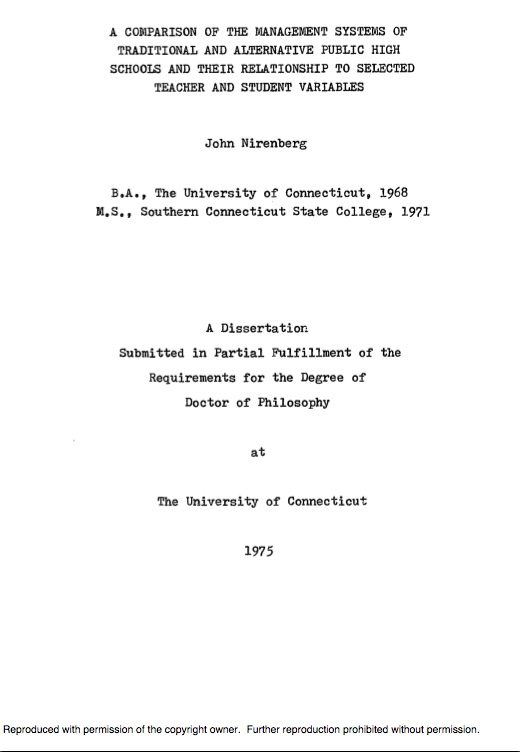
Ph.D.
Dissertation
1975
Alternatives to the status quo were examined; progressive ideas were found promising for administrative reform.
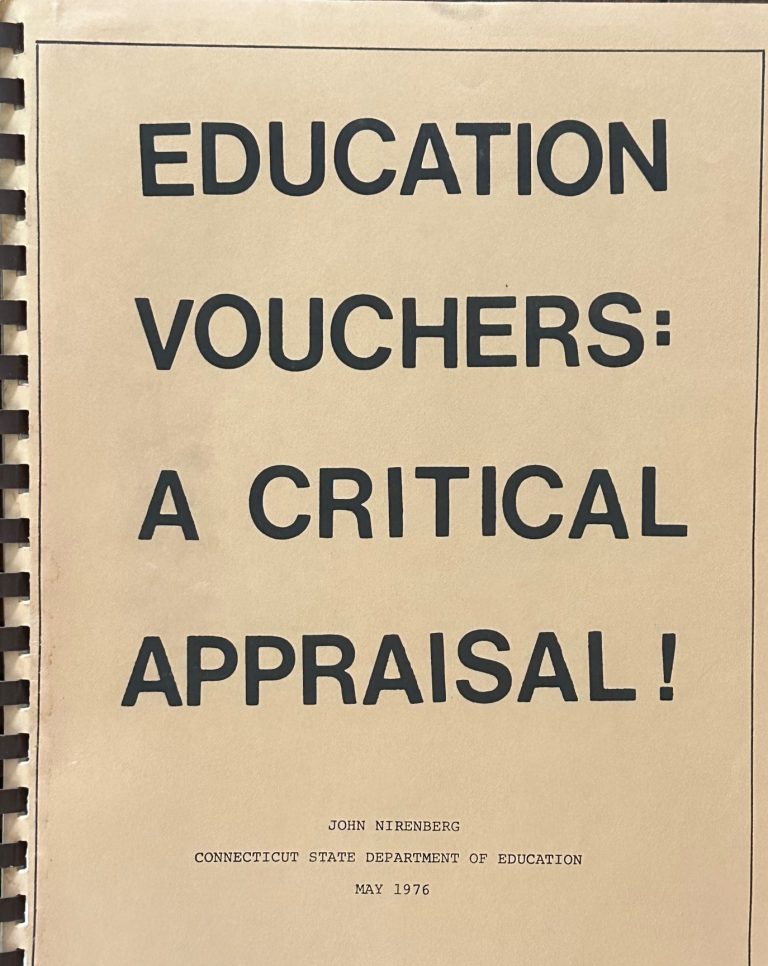
Education Vouchers
This was an obvious political, not educational solution and it showed.
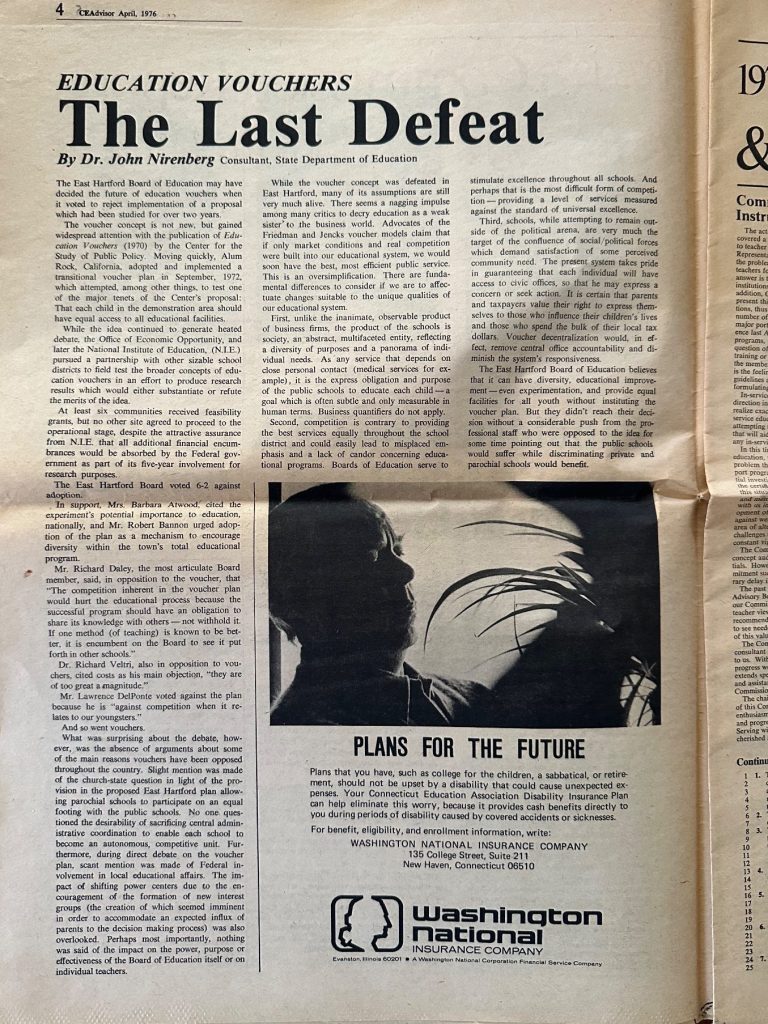
Defeated
1976
The idea for innovation and alternatives to the status qua was good; Vouchers would waste resources and not provide any educational improvement.
From Vouchers to Global Educator
Getting the commission for the Voucher Study was a great stroke of luck. The last stroke of luck for awhile, or so I thouht, but then I made a presentation to the Academy of Management in Kansas City about Organizational Theory and Public Schools got me an interview and voila, I was offered a one-year job in Athens, Ohio which I gratefully accepted to start at the last possible moment. So much for planning! Cheers to serendipity!

Visiting Assistant Professor of Management
In addition to the teaching post, I was also a "faculty in residence" encouraged me to help advise dorm staff on organizational issues and to socialize with the staff and students on academic matters. It was great fun.
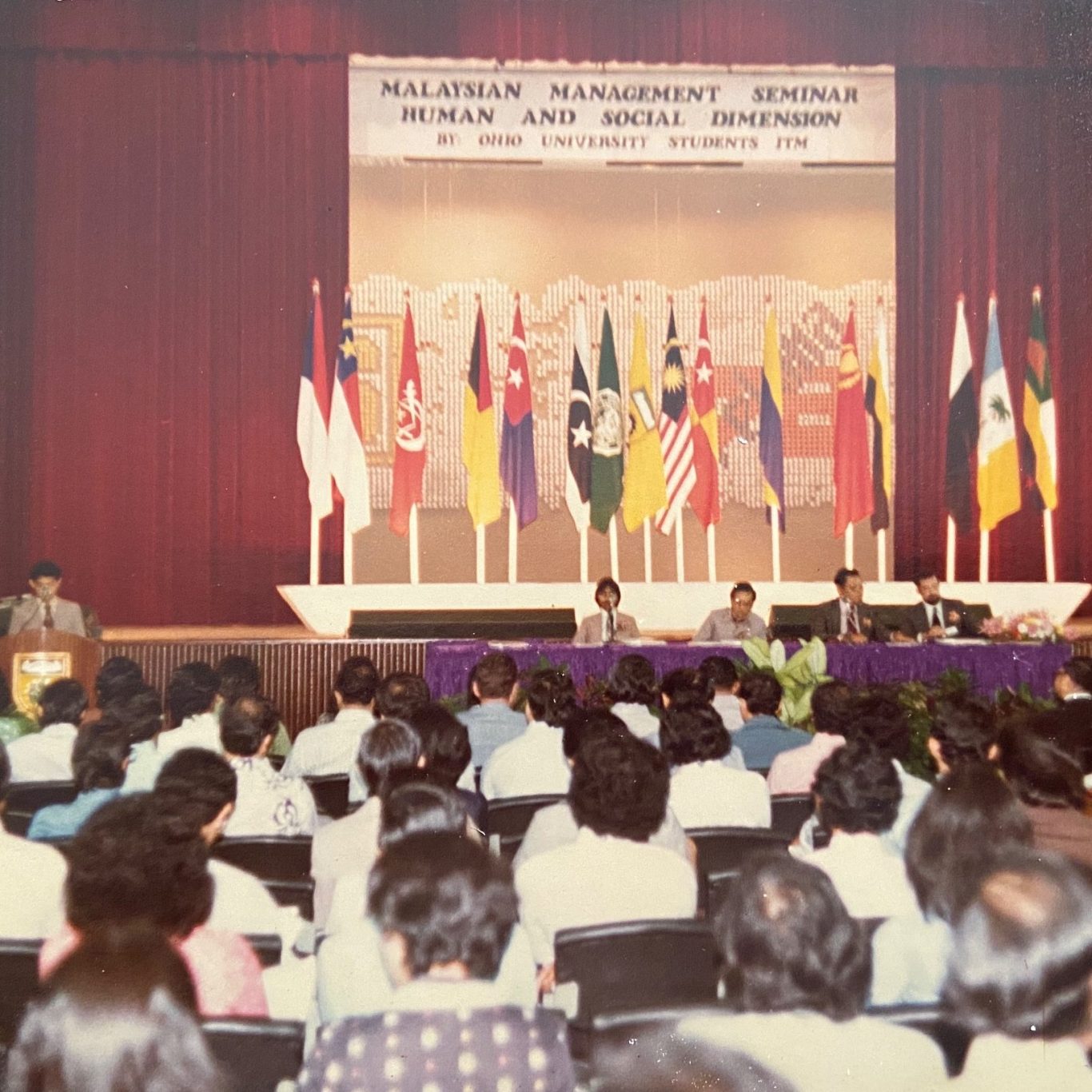
At the end of my scheduled year in Ohio, a funny thing happened on my way to the door - another stroke of luck!
I was preparing to close my grading and to attend to final chores, my Department Chair wondered if I had a passport and whether I'd be interested in going to Malaysia? I was getting used to lady luck. I accepted an appointment as Progra Director of OU's Program in Kuala Lumpur. Amazing!
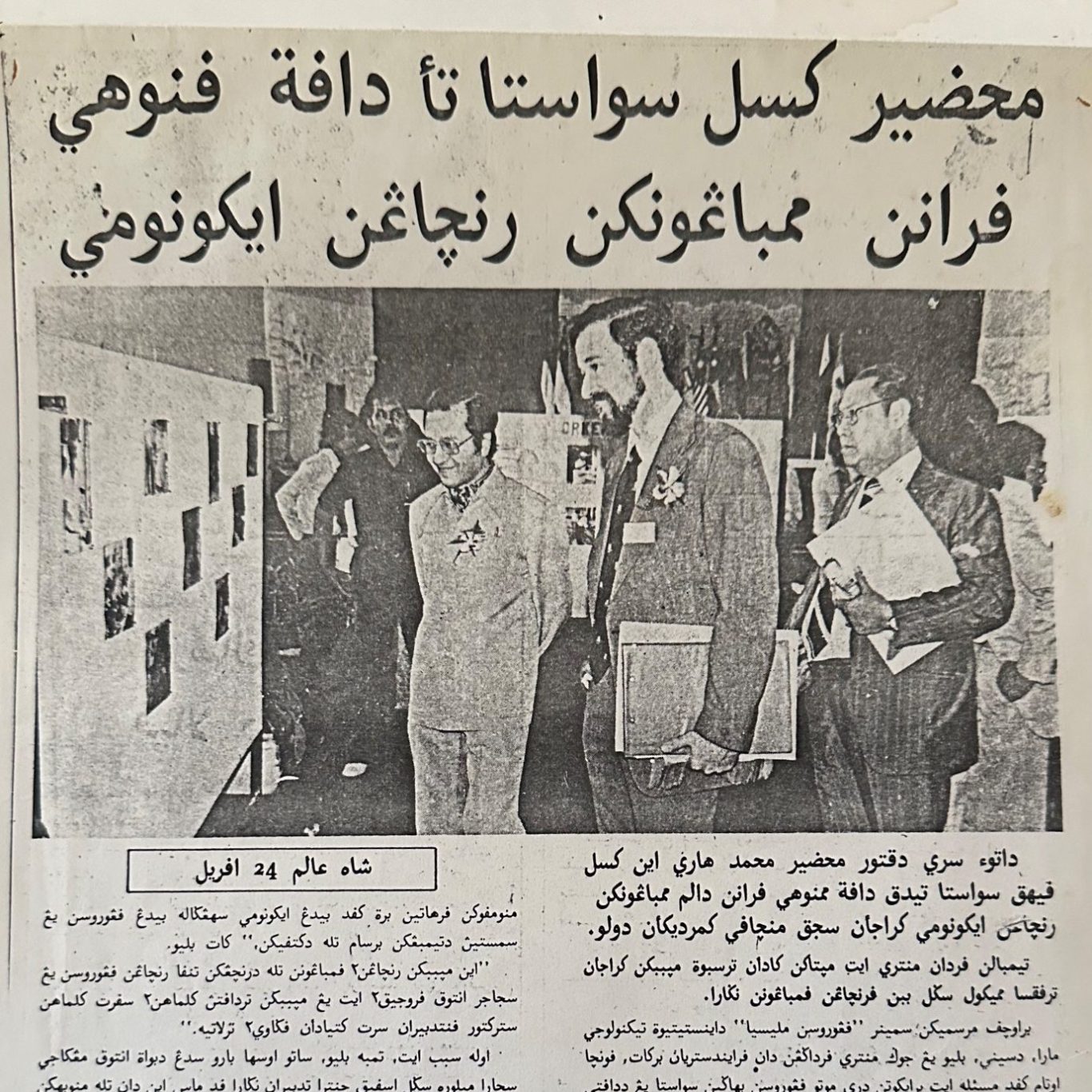
This was the most life-changing assignment ever in so many ways. One of the student run, researched, produced and presented national seminars on Management in Malaysia.
Here, the Minister of Education (l) was introduced to some of the students' work. The Director of the Insitute was directly behind me.
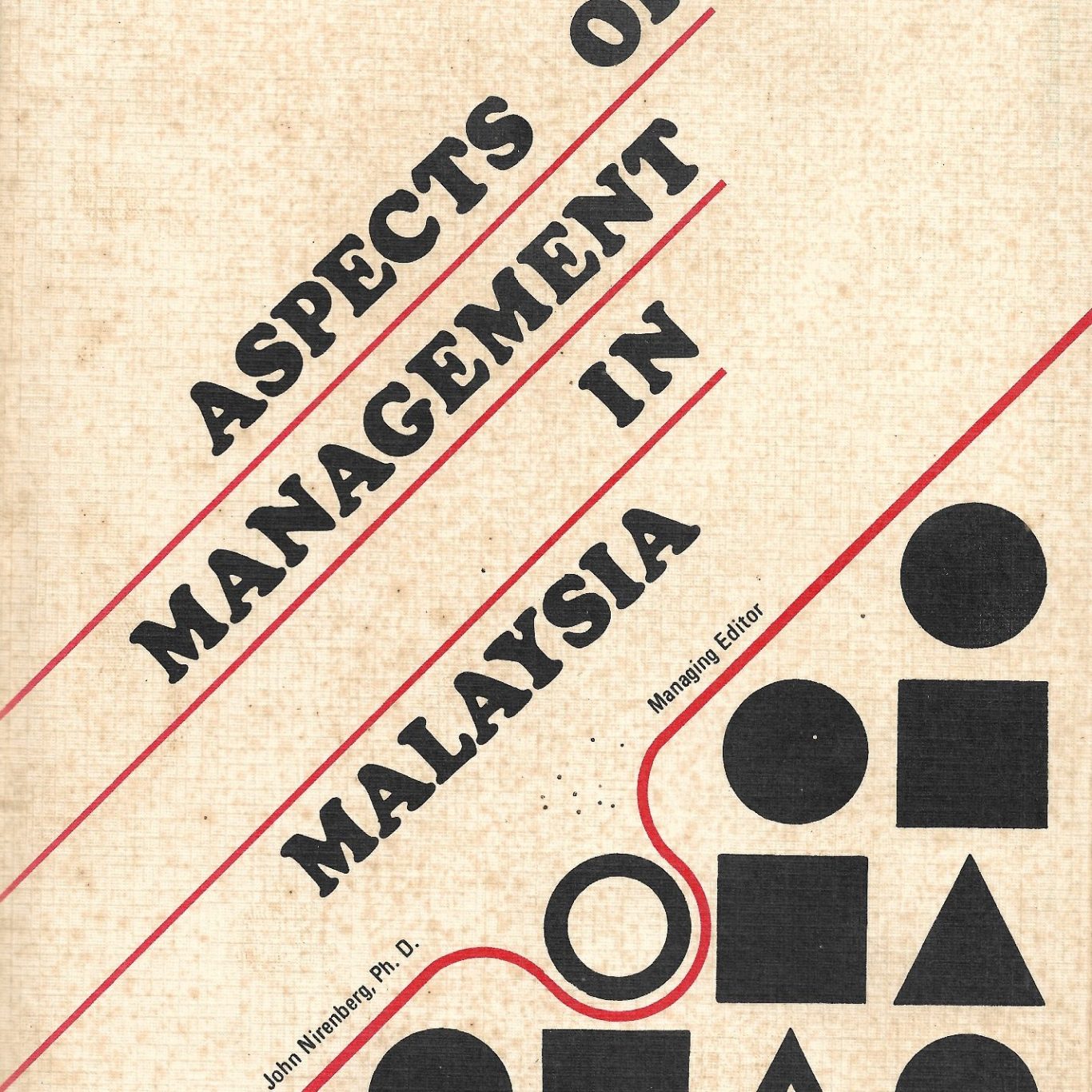
The students and conference speakers contributed chapters to the book, their contribution to the nation building effort!
It was amazing to watch. So many people were involved. A sensitivity to living in an interdependent world and learning so much about the world and myself. Fabulous!
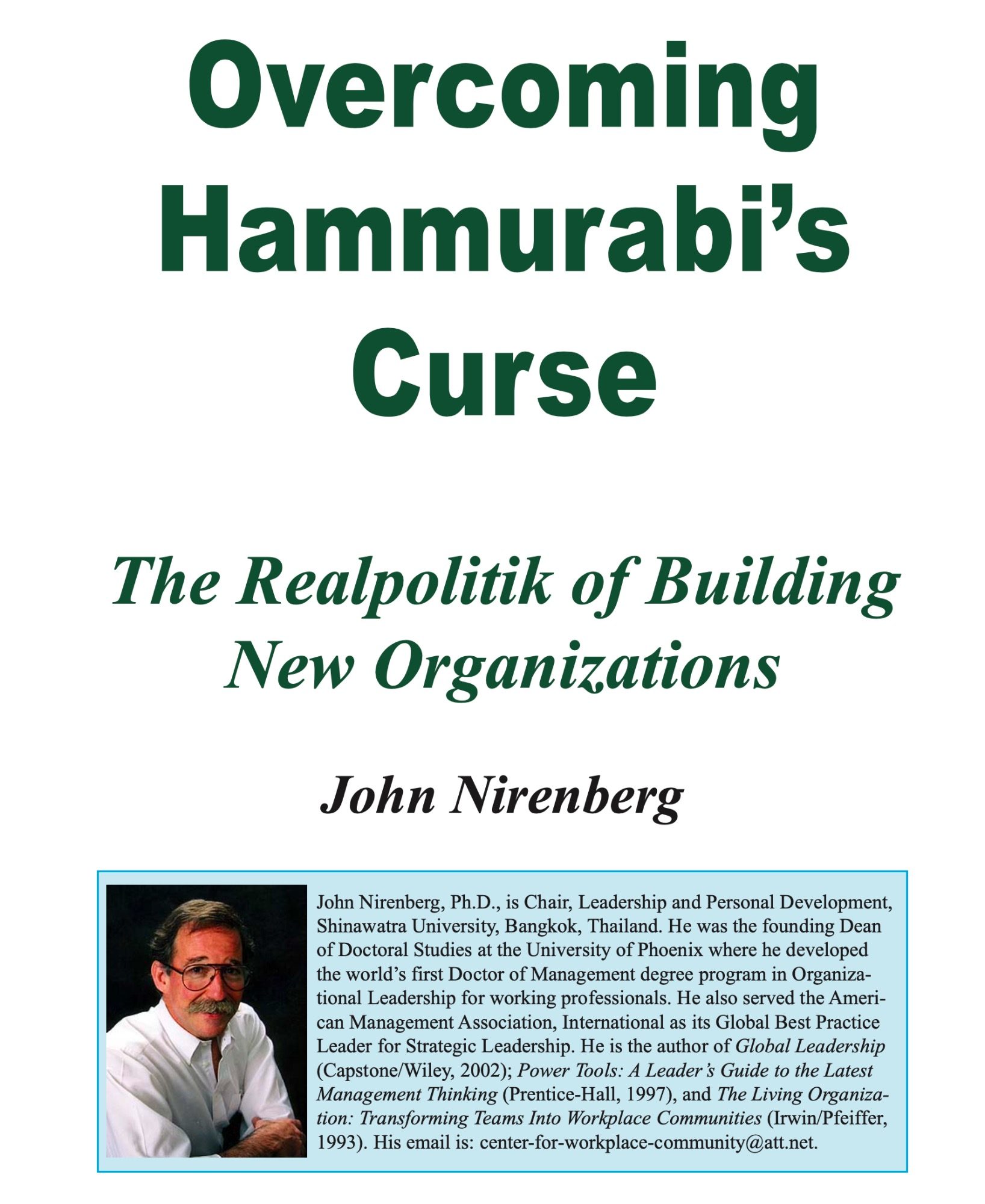
Hammurabi's Curse was one of my favorite publications. If you would like to read this article, click on the link.(Free)
This article took a provocative perspective on the durability of some of the basic tenets of the owner vs employee relationship and the boss-subordinate relationship; and how responsibility is assigned. This copy was reprinted from the Organization Development Practitioner, Spring, 1998. This version is thanks to "Management General."
"In separating the act of thinking from the act of doing we bifurcated the interests of management and labor into an adversarial relationship."

The article,
The Impact of Lifestyles on Management Strategies, explored major lifestyles and suggested an approach to management for each.
Leadership and Organization Development Journal V.3 N.2, 1982.

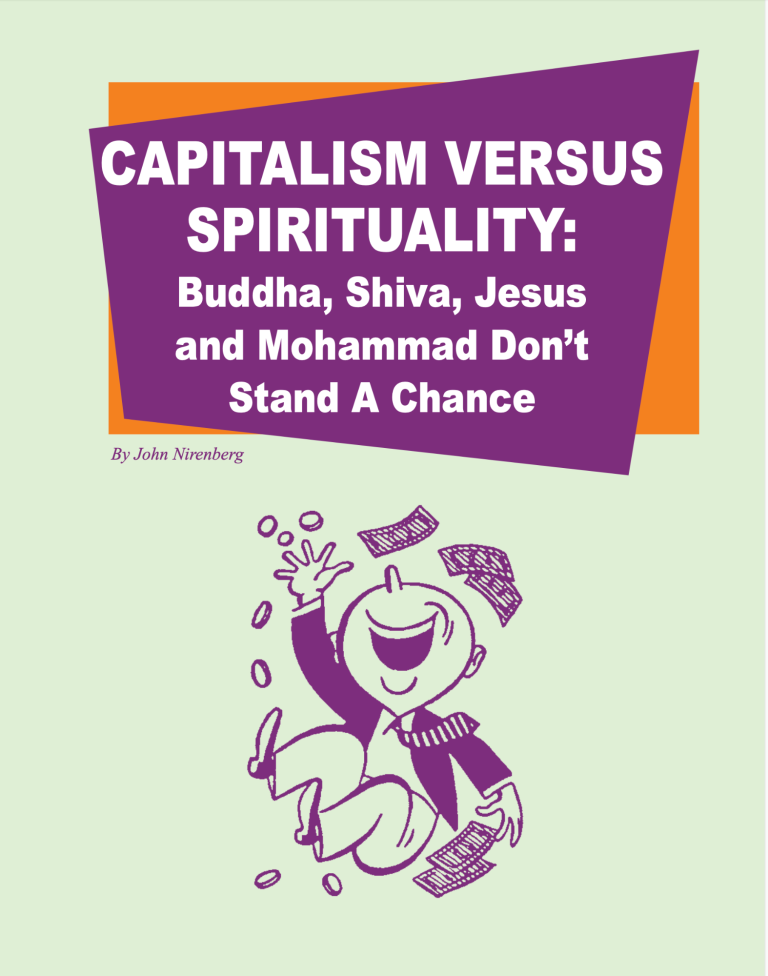
"The money economy, and the need to be employed to make a living, make living a life in service to spiritual ends and philosophical beliefs increasingly difficult."
In 1999, the tenth anniversary of the fall of the Berlin Wall, while the business press swooned with giddy proclamations of the sustained “victory” of capitalism over communism, and even proclaimed an end to the business cycle, a street battle closed down the World Trade Organization (WTO) meeting in Seattle, Washington.
Organizers were trying to put the brakes on the so-called culture-destroying globalization juggernaut. But most of the world’s growing population still demands a better life; and it is capitalism, we are told, that is the only vehicle able to make that happen.
On the other hand, it seems that the advent of American-style capitalism threatens cultures everywhere as McDonald’s, Starbucks, and Hollywood create a bland sameness and undermine local sensibilities wherever they spread. It is for this reason that many people are concerned about the impact of capitalism even while enjoying the fruitsof its creation.
Since the dawn of religion over twenty-five hundred years ago, we have been cautioned about the evils of excessive “materialism” and have been implored to moderate our choices to retain our true values, a pious way of life, a culture in service to the will of a higher power.
Globalization reduces people’s ability to focus solely on living a spiritual life because it sweeps everyone it touches into a monetized economy that requires that we all work in impersonal organizations to make a living. It isn’t globalization per se that is the problem. It is the economic system itself, embraced virtually everywhere today as the one true religion of modernity. It is the real culprit of culture change both here and around the world.
The driving force undermining confidence in the globalization phenomenon is the set of values and operating rules that make the economic system work. It is the uncanny symbiosis between people’s immediate self-interest and the fundamental rules of the game that places profit above all else that insidiously transforms cultures.
The dominant economic model espouses free markets; minimal government, including privatization of all public assets and the deregulation of business; and the protection of capital via removal of corporate and capital gains taxes. It assumes (conveniently for those with capital) in this race to riches that disadvantages, weaknesses, and failures are due to the lack of individual effort and the shirking of personal responsibility. The poor have only themselves to blame. In this new world, consumption for its own sake, financial freedom, and organizational power replace striving to become a good person, to earn salvation in the hereafter, or to find enlightenment. The money economy, and the need to be employed to make a living, make living a life in service to spiritual ends and philosophical beliefs increasingly difficult.
(Continue with the download)
Some Favorite Photos
An Ode to The Printed Word: Sustainable, Low Tech, Intimate
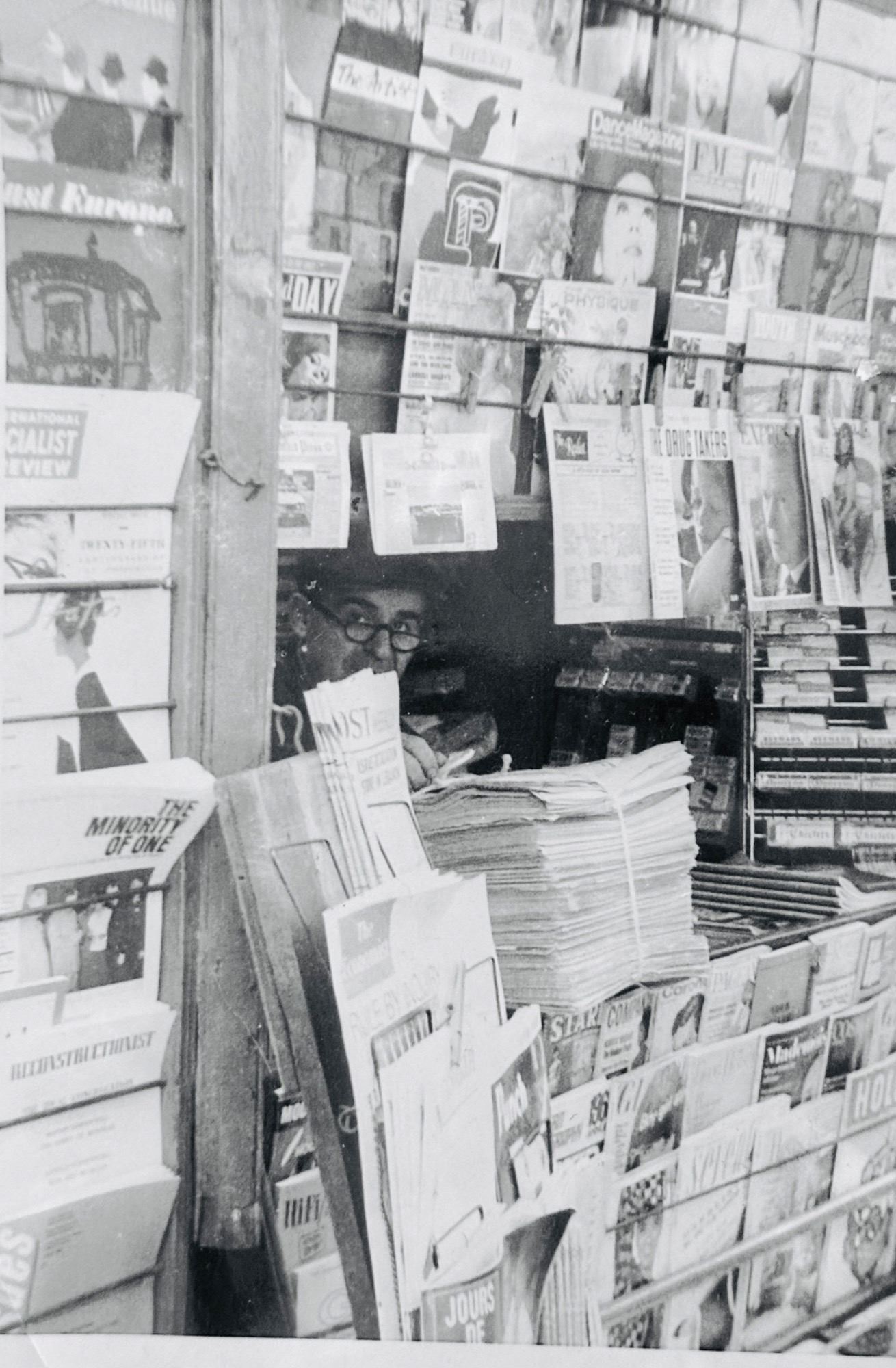
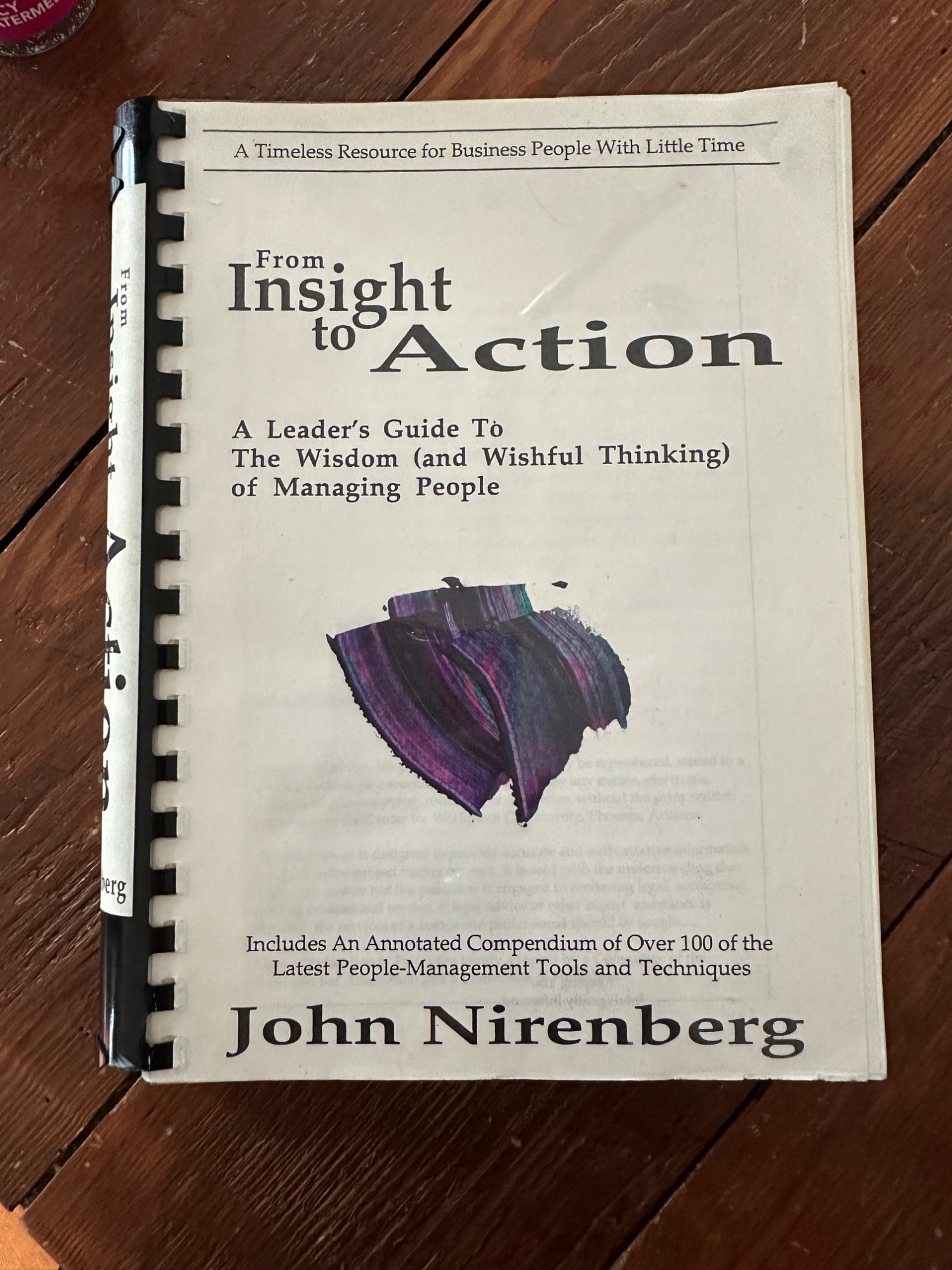
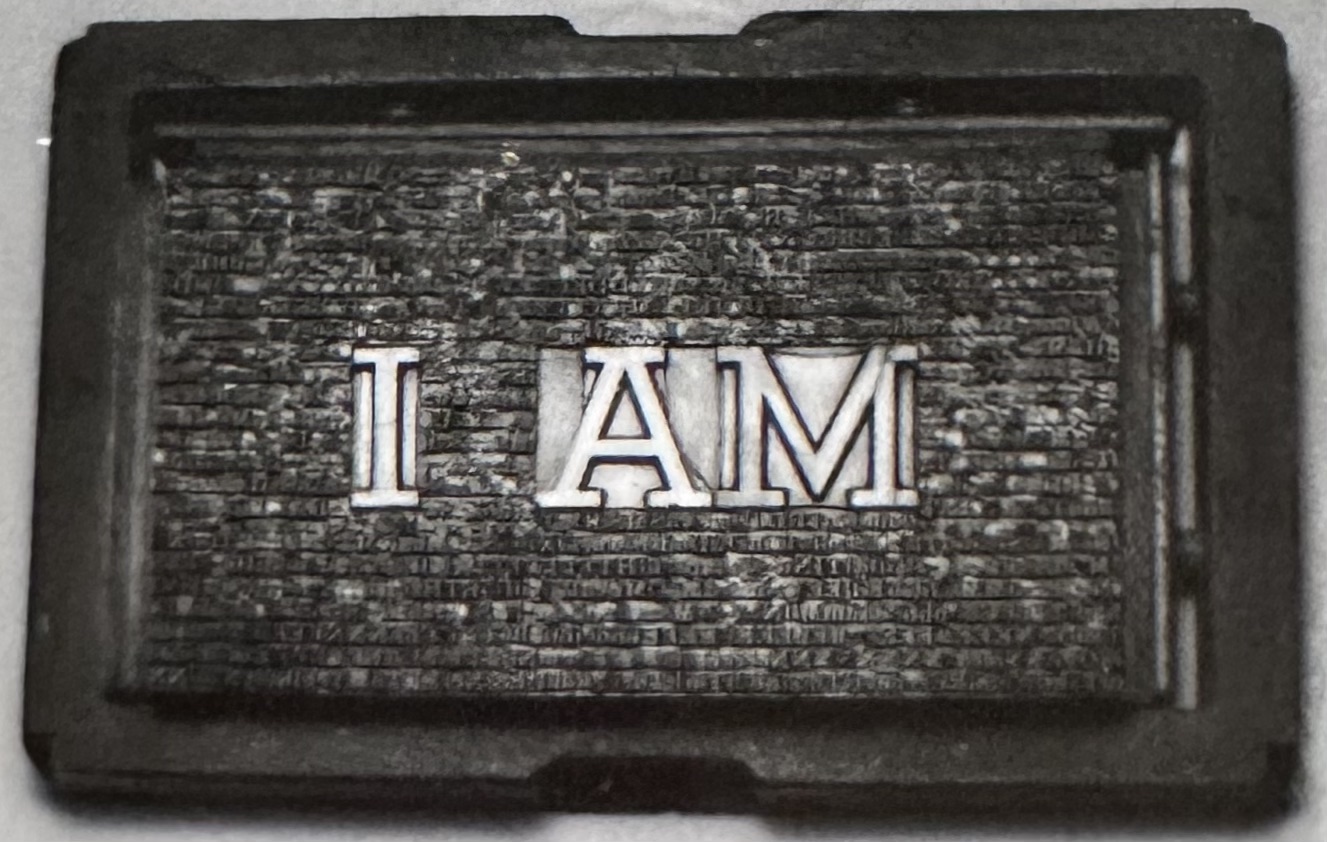





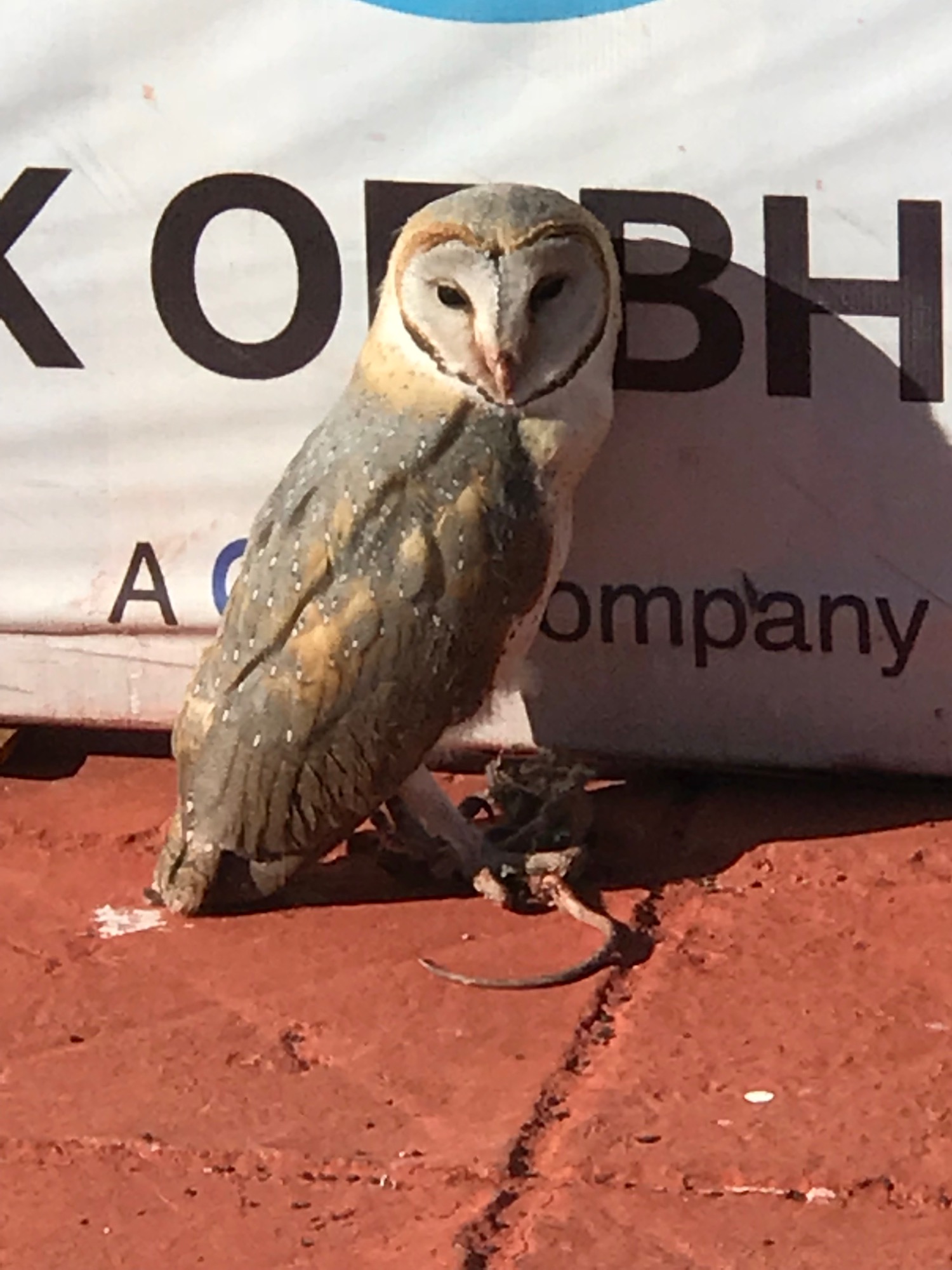
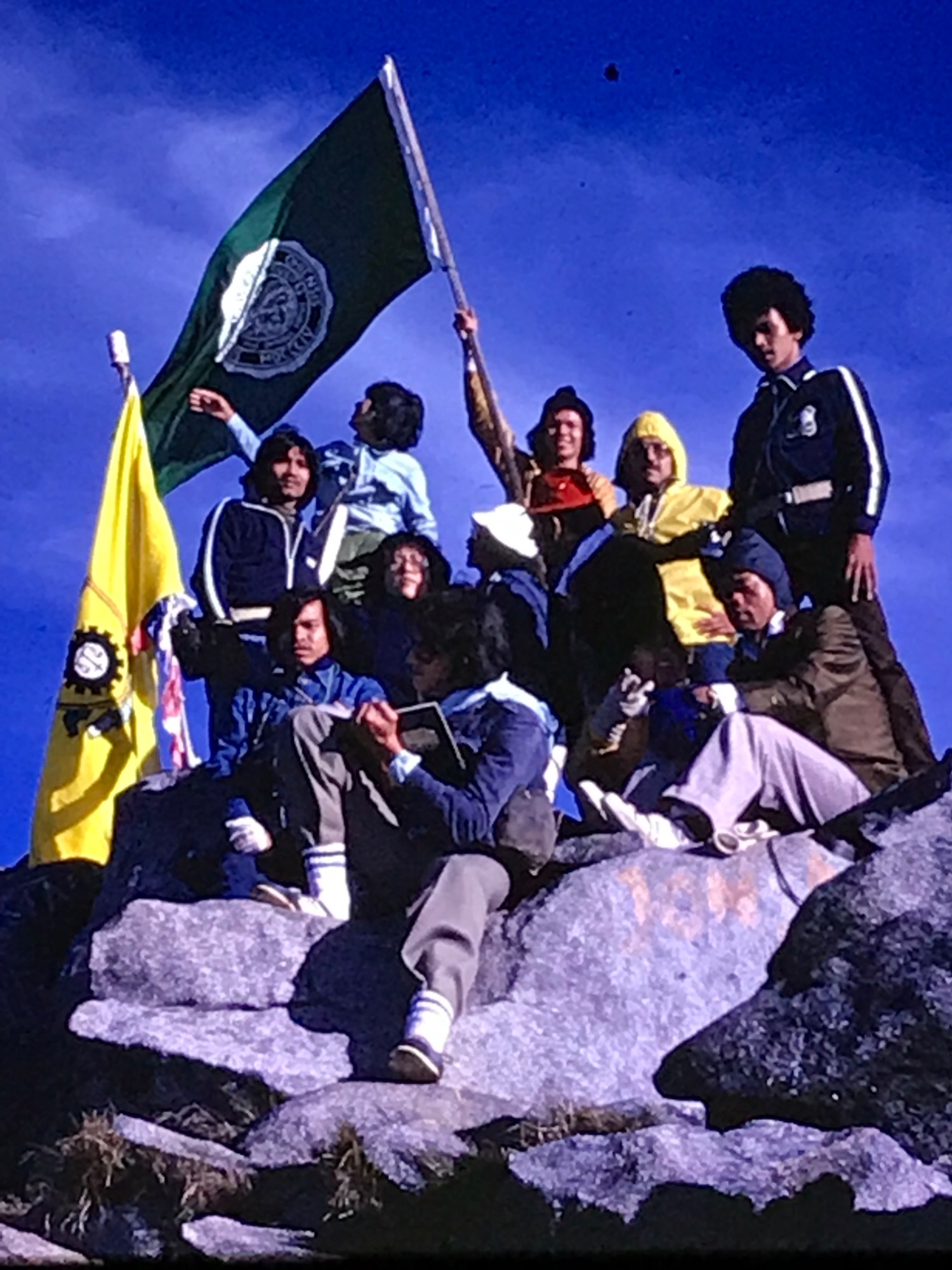
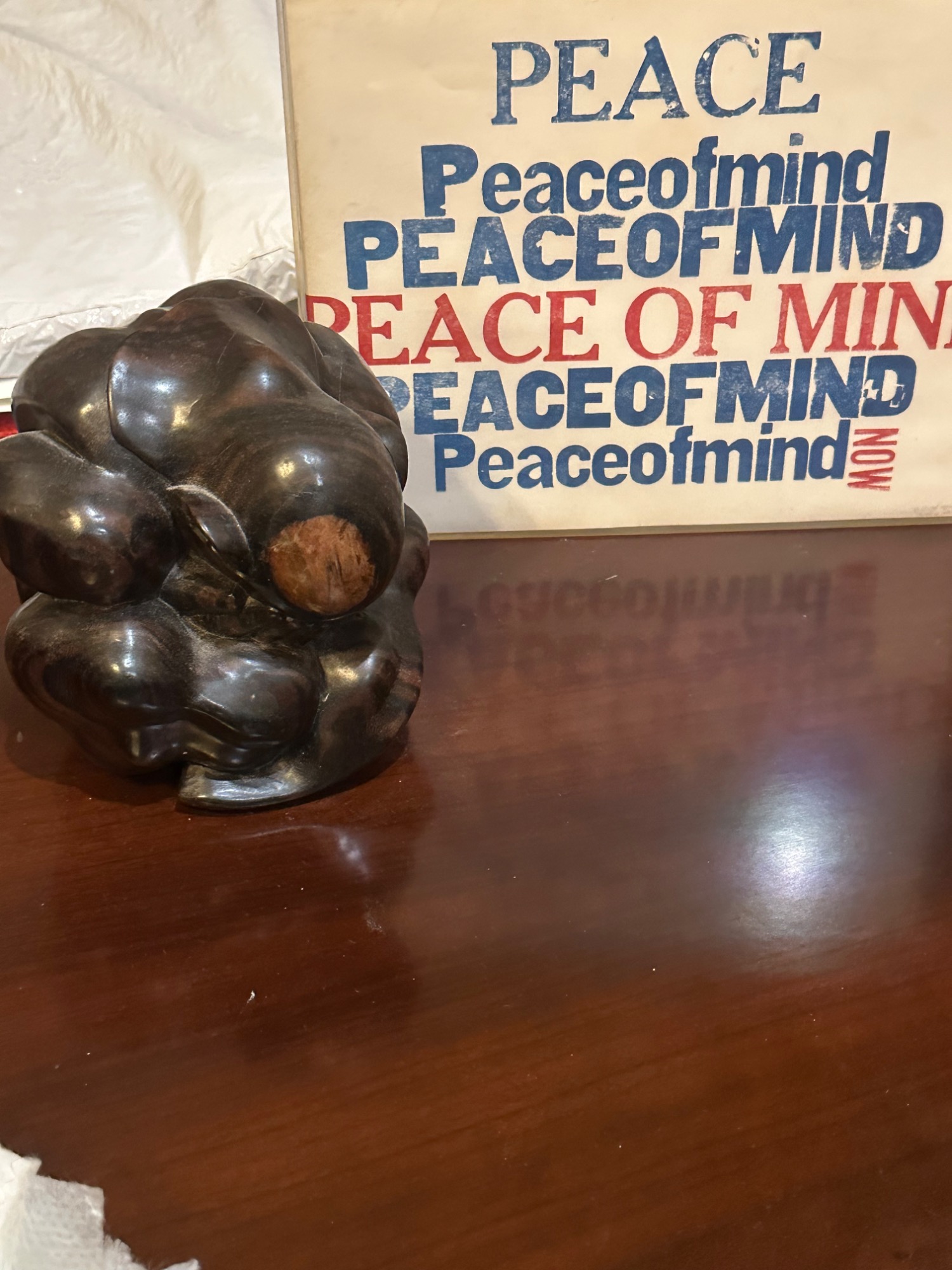

Several photos like the top three, indeed represent print artifacts.